Why a Unified Platform Approach for Integrated WMS & TMS is More Effective
Blog

Why a Unified Platform Approach for Integrated WMS & TMS is More Effective

Introduction

In today's fast-paced and complex supply chain environment, businesses need seamless coordination between warehouse operations (WMS) and transportation planning (TMS). Traditional setups, where WMS and TMS function independently, create inefficiencies, delays and increased costs. A unified WMS-TMS platform eliminates these challenges by enabling real-time synchronization, automation and end-to-end visibility.

The Problem with Separate WMS and TMS Systems

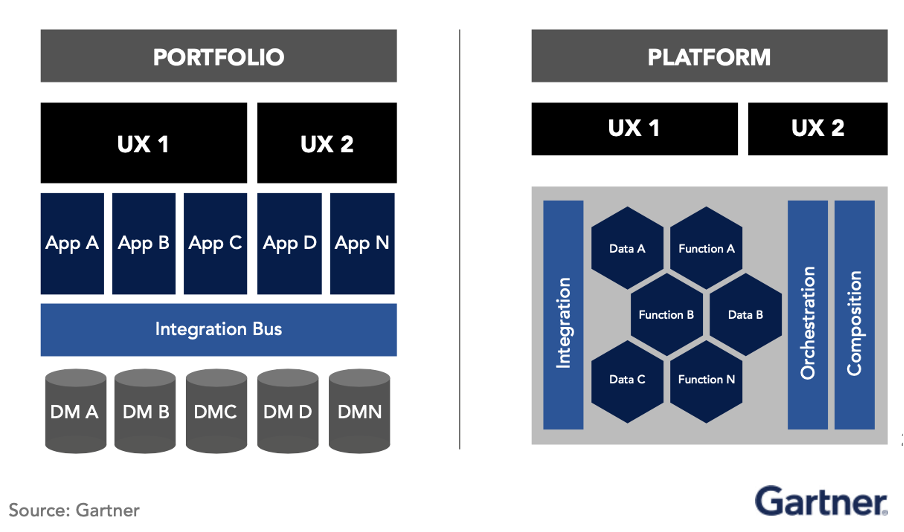
Traditionally, Warehouse Management Systems (WMS) and Transportation Management Systems (TMS) have been implemented as separate platforms. This disjointed approach leads to inefficiencies, increased operational costs, and challenges such as:

  • Delayed order handovers between warehouse and transport teams, leading to slower fulfillment.
  • Misaligned Shipment planning due to lack of real-time transport visibility.
  • Increased Freight costs from suboptimal truck utilization and load planning.
  • Data discrepancies requiring manual reconciliation, increasing errors and inefficiencies.
  • Higher IT costs due to separate system maintenance, integration efforts and licensing expenses.
The Unified Platform Approach
__wf_reserved_inherit

A cloud-native, fully integrated WMS-TMS solution eliminates these challenges by offering real-time synchronization, shared data visibility, and AI-driven optimization. By unifying warehouse and transportation functions on a single platform, businesses achieve:  

A. Reduced Misalignment Between Fulfillment & Delivery

Problem: Separate WMS and TMS systems cause delays, increase transport costs, and lead to inefficient use of resources.

Challenges with Separate WMS & TMS Systems:

  • Warehouse and transportation operate in silos, causing delays in dispatching.
  • Trucks arrive before orders are packed, increasing wait times and congestion.
  • Last-mile delivery suffers due to unpredictable warehouse workflows.

Benefits of a Unified WMS-TMS:

  • Orders are  dynamically scheduled for transport as soon as they are packed.
  • Dock scheduling and load planning are optimized in real-time to minimize idle time.
  • Better stock availability insights reduce miscommunication between transport and warehouse teams.
B. Real-Time Synchronization of Warehouse & Transportation

Challenges with Separate WMS & TMS Systems:

  • Order  Processing is sequential, not parallel, leading to fulfillment lags.
  • No real-time feedback loop between WMS and TMS for adaptive decision-making.

Benefits of a Unified WMS-TMS:

  • Faster Order Fulfillment: Orders are packed, assigned to a carrier and shipped instantly without manual intervention.
  • Reduced Truck Idle Time: Dynamic dock scheduling minimizes congestion and improves load efficiency.
  • Optimized Inventory Management: Real-time stock updates ensure better coordination between demand and supply.
C. End-to-End Visibility & Data-Driven Decision Making

Challenges with Separate WMS & TMS Systems:

  • Businesses require accurate insights into inventory, order status, shipment tracking, and  delivery ETAs.
  • Separate systems create data silos, making decision-making slow and ineffective.

Benefits of a Unified WMS-TMS:

  • A Single Unified Dashboard: Provides real-time updates on warehouse and transportation operations.
  • AI-Driven Order Tracking: Enhances responsiveness to delays and disruptions.
  • Predictive Analytics: Helps optimize inventory flow, carrier  performance and costs.

Why It Matters:

  • Warehouse delays impact transportation without immediate corrective action.
  • Shipment Disruptions create ripple effects that go unnoticed.
D. Dynamic Order & Load Optimization.

Challenges with Separate WMS & TMS Systems:

  • Efficient order  consolidation and route planning reduces costs and improves carrier utilization.
  • AI-driven optimization ensures better load balancing based on real-time constraints.

Benefits of a Unified WMS-TMS:

  • Higher Truck Fill Rates: Orders are grouped intelligently to maximize capacity.
  • Optimized Routing & Scheduling: AI-based dynamic carrier selection ensures cost efficiency.
  • Reduced Freight Costs: Fewer empty miles and better resource allocation improve profitability.
E. Reducing Errors & Manual Reconciliation

The Risk of Manual Processes:

  • Disconnected Systems require manual data reconciliation between WMS and TMS, increasing the chance of errors.
  • Invoice disputes and incorrect shipments cause financial and reputational losses.

Advantages of Integration:

  • Eliminates Mis-Shipments: Automated real-time data sync ensures order accuracy.
  • Faster Invoicing & Payments: Integrated billing speeds up the order-to-cash process.
  • Regulatory Compliance: Automatic documentation tracking ensures compliance in regulated industries.

Issues with Separate Systems:

  • Manual reconciliation leads to shipment discrepancies.
  • Delayed invoicing affects cash flow and financial forecasting.
F. Faster Returns & Reverse Logistics

Challenges with Separate WMS & TMS Systems:

  • In e-commerce and omni channel retail, efficient returns processing is critical for customer satisfaction.
  • Disconnected WMS and TMS cause delays in return approvals, carrier scheduling, and inventory restocking.

How an Integrated Platform Improves Reverse Logistics:

  • Automated Return Workflows: Reverse logistics is triggered as soon as return requests are processed.
  • Optimized Carrier Selection: AI recommends the most efficient return shipping method.
  • Faster Inventory Reallocation: Returned goods are restocked without manual intervention.

Why It Matters:

  • Slow returns processing increases inventory holding costs.
  • Refund delays negatively impact customer trust and retention.
G. Lower IT Costs & Faster Deployment

Why IT Infrastructure Matters:

  • Maintaining Separate WMS and TMS systems requires additional IT resources, integrations and higher licensing costs.
  • A unified platform reduces reduces complexity and future-proofs operations

Benefits of a Unified WMS-TMS:

  • Lower Total Cost of Ownership (TCO): One system to manage & reduced maintenance costs.
  • Faster Implementation: Single deployment covers warehouse and transportation.
  • Seamless System Upgrades: Future-proof architecture that scales with business growth.

Challenges with Separate WMS & TMS Systems:

  • Expensive API integrations create ongoing IT maintenance challenges.
  • Vendor Contracts and multiple support teams increase operational complexity.
Conclusion – Why a Unified WMS & TMS is the Future:
  • Real-time warehouse-transport coordination = Faster fulfillment.
  • Optimized load planning = Lower costs.
  • Single data source = Better decision-making.
  • Lower IT costs = Higher ROI & scalability.

Venktesh Kumar

MD, Co-Founder | Stackbox

Table of contents